
Can We Regenerate Our Cells in Our 40s Through Exercise, Yoga, and Meditation?
The notion that our bodies are in irreversible decline once we hit our 40s is increasingly being challenged by modern science. Research suggests that through targeted lifestyle interventions—particularly exercise, yoga, and meditation—we can actively influence cellular regeneration and slow biological aging, even well into middle age.
pythoyuk
1/29/20263 min read

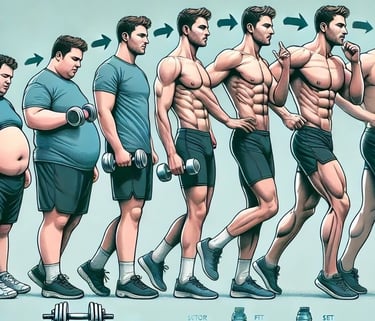
The Science of Cellular Regeneration
Our bodies are constantly renewing themselves at the cellular level. Skin cells regenerate every few weeks, while bone cells take years to fully replace themselves. However, this regenerative capacity doesn't shut off at 40. What changes is the efficiency and speed of these processes, largely influenced by factors we can control.
At the cellular level, exercise and mindfulness practices appear to work through several key mechanisms. They reduce oxidative stress, which damages cellular DNA and proteins. They also influence telomeres—the protective caps on our chromosomes that shorten with age. Studies have found that people who engage in regular physical activity and stress-reduction practices tend to have longer telomeres than their sedentary peers, suggesting slower cellular aging.
Exercise: The Cellular Fountain of Youth
Regular physical activity triggers a cascade of beneficial cellular responses. Aerobic exercise increases mitochondrial biogenesis—essentially creating new energy-producing factories within our cells. This is particularly significant in our 40s when mitochondrial function naturally begins to decline.
Strength training stimulates muscle protein synthesis, helping to maintain and even build muscle mass that typically decreases with age. This process involves satellite cells, which are muscle stem cells that help repair and regenerate muscle tissue. Research shows that resistance training can activate these cells even in older adults.
Exercise also promotes autophagy, a cellular "cleaning" process where damaged components are broken down and recycled. This cellular housekeeping becomes increasingly important as we age, helping to prevent the accumulation of cellular debris that contributes to aging and disease.
Yoga: Where Physical and Cellular Meet
Yoga offers unique benefits that combine physical movement with breathwork and mental focus. The physical postures improve flexibility, strength, and balance while stimulating circulation and lymphatic drainage, which supports cellular waste removal and nutrient delivery.
The breathwork component of yoga—pranayama—has been shown to influence gene expression related to inflammation and immune function. Deep, controlled breathing activates the parasympathetic nervous system, shifting the body from a stress state to a recovery state where cellular repair processes can occur more effectively.
Certain yoga practices may also influence cellular aging markers. A small but growing body of research suggests that regular yoga practice is associated with changes in inflammatory markers and cortisol levels, both of which affect how our cells age.
Meditation: Calming the Cellular Storm
Chronic stress accelerates cellular aging through multiple pathways, including elevated cortisol levels, increased inflammation, and oxidative stress. Meditation acts as a powerful counterforce to these processes.
Studies have found that meditation practices can increase telomerase activity—the enzyme that helps maintain telomere length. One study showed that just 12 minutes of daily meditation for eight weeks led to measurable changes in gene expression related to inflammation and cellular aging.
Mindfulness meditation also appears to reduce inflammatory markers like C-reactive protein and interleukin-6, which are associated with age-related diseases. By dampening chronic inflammation, meditation creates a cellular environment more conducive to repair and regeneration.
The Synergistic Effect
The real power may lie in combining these practices. Exercise provides the physical stimulus for cellular renewal, yoga bridges the physical and mental while improving flexibility and circulation, and meditation addresses the psychological stress that can undermine cellular health.
This integrated approach works on multiple cellular systems simultaneously—improving mitochondrial function, reducing inflammation, enhancing autophagy, supporting telomere health, and optimizing hormonal balance. Each practice reinforces the others, creating a lifestyle pattern that supports cellular regeneration.
Practical Implementation in Your 40s
The good news is that you don't need to become an elite athlete or meditation master to see benefits. Consistency matters more than intensity. Aim for 150 minutes of moderate aerobic activity weekly, combined with strength training twice a week. Add 20-30 minutes of yoga several times weekly, focusing on both movement and breathwork. Even 10-15 minutes of daily meditation can produce measurable changes over time.
Your 40s are not a biological dead end but rather an opportunity to actively influence how your cells age. While we cannot stop aging entirely, evidence suggests we can certainly influence the process at the most fundamental level—our cells themselves. Through the simple yet powerful combination of movement, mindful practice, and mental stillness, cellular regeneration in your 40s isn't just possible—it's entirely within your reach.
