
Nutrition Guide for Indian Diets
Essential Nutrients Your Body Needs
Your body requires six main types of nutrients:
Macronutrients: Carbohydrates (energy), proteins (building and repair), and fats (energy storage and hormone production)
Micronutrients: Vitamins (A, B-complex, C, D, E, K) and minerals (iron, calcium, zinc, magnesium, iodine)
Water: Critical for all bodily functions
Food Types :
Whole grains: Brown rice, whole wheat, millets (bajra, jowar, ragi), oats
Proteins: Lentils (dal), chickpeas, beans, paneer, milk, yogurt, eggs, fish, chicken
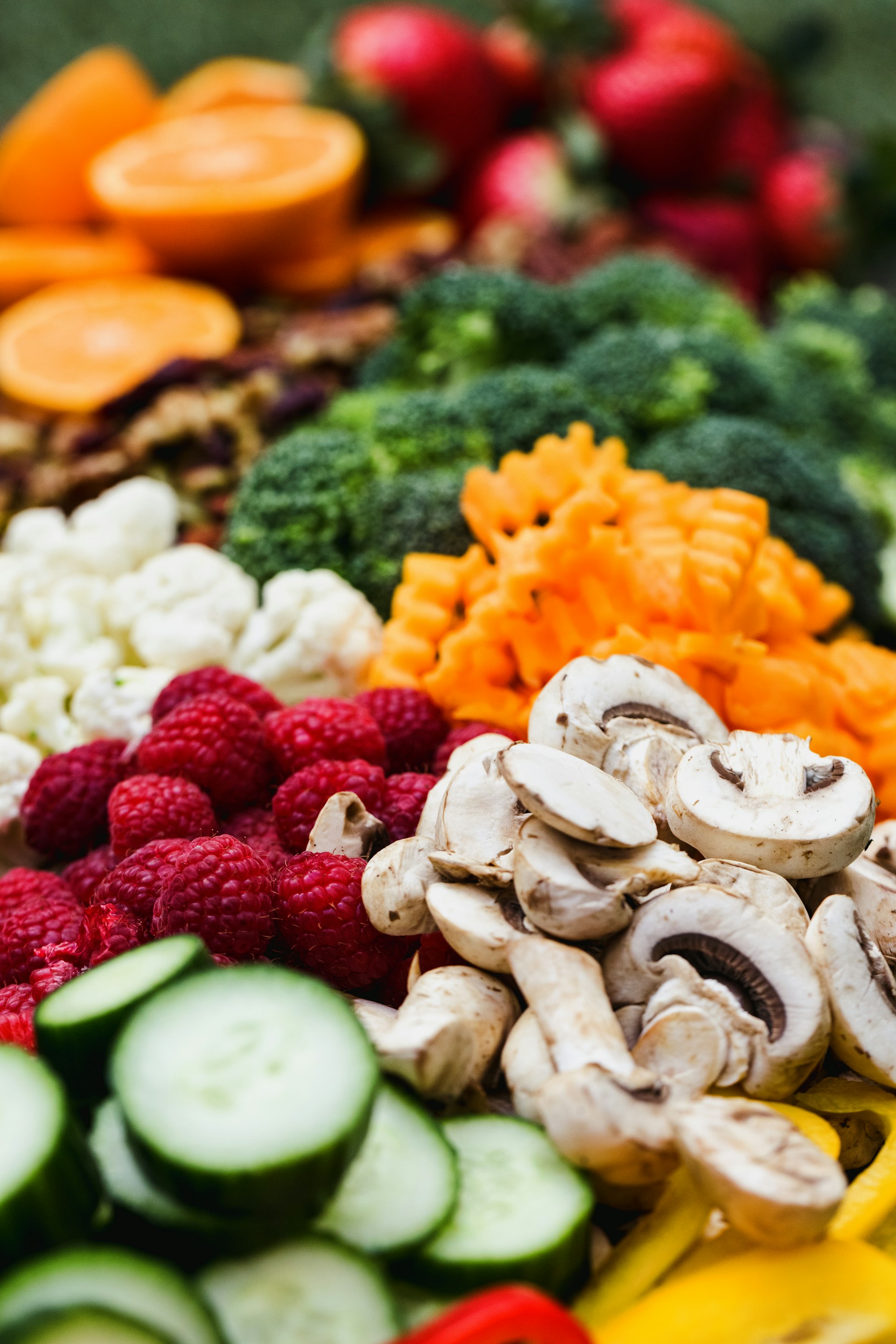
Vegetables: Leafy greens (spinach, fenugreek), carrots, tomatoes, broccoli, cauliflower, okra
Fruits: Seasonal fruits like mangoes, guavas, papayas, bananas, oranges, pomegranates
Healthy fats: Ghee (in moderation), mustard oil, groundnut oil, nuts, seeds
Harms of Junk Food :
Regular consumption of processed and junk foods leads to:
Obesity and weight gain from excess calories, sugar, and unhealthy fats
Type 2 diabetes from high sugar and refined carbohydrate content
Heart disease due to trans fats, high sodium, and cholesterol
Nutritional deficiencies as junk food displaces nutrient-rich whole foods
Digestive problems from lack of fiber
Increased cancer risk from preservatives and additives
Mental health issues linked to poor nutrition
Dental problems from excessive sugar
Best Nutrient-Rich Foods for Indians
For Protein:
Dal (lentils) - all varieties provide protein, iron, and fiber
Rajma (kidney beans), chana (chickpeas)
Paneer, milk, curd (dairy products rich in calcium and protein)
Eggs (complete protein with vitamins B12, D)
For Iron:
Spinach (palak), fenugreek leaves (methi)
Jaggery (gud)
Dates, raisins
Amaranth (rajgira)
For Calcium:
Dairy products (milk, yogurt, paneer)
Ragi (finger millet)
Sesame seeds (til)
Green leafy vegetables
For Vitamin C:
Amla (Indian gooseberry) - one of the richest sources
Guava, oranges, lemons
Bell peppers, tomatoes
For Vitamin A:
Carrots, sweet potatoes
Mangoes, papayas
Spinach, fenugreek
For B-Vitamins:
Whole grains (brown rice, whole wheat)
Nuts and seeds
Legumes and lentils
For Healthy Digestion:
Fiber-rich foods: whole grains, vegetables, fruits
Probiotics: yogurt, buttermilk, fermented foods like idli, dosa
Sample Balanced Indian Meal Plan
Breakfast: Ragi porridge or vegetable poha with peanuts, or moong dal chilla
Mid-morning: Seasonal fruit or handful of nuts
Lunch: Roti/brown rice + dal + seasonal vegetable + salad + curd
Evening: Roasted chana or sprouts or buttermilk
Dinner: Lighter meal with roti + vegetable + soup or khichdi
Tips for Healthy Eating
Use traditional cooking methods and ingredients
Include seasonal and local produce
Limit oil, salt, and sugar
Choose whole grains over refined ones
Eat a variety of colorful vegetables daily
Stay hydrated with water, buttermilk, coconut water
Practice portion control
Avoid packaged and ultra-processed foods
Why Protein Matters: India's Essential Nutrient Need
Protein is often called the building block of life, and for good reason. Every cell in your body contains protein, from your hair and nails to your muscles and organs. Yet despite its critical importance, many Indians don't get enough of this vital nutrient in their daily diet.
What Does Protein Actually Do?
Think of protein as your body's construction crew and repair team rolled into one. It builds and repairs tissues, makes enzymes and hormones, supports your immune system, and helps transport nutrients throughout your body. When you exercise, protein repairs the tiny tears in your muscle fibers, making them stronger. When you get a cut, protein helps heal the wound. It's working around the clock to keep you functioning.
Protein also plays a crucial role in maintaining a healthy weight. It keeps you feeling full longer than carbohydrates or fats, which means you're less likely to reach for unhealthy snacks between meals. For children and teenagers, adequate protein is essential for proper growth and development.
The Protein Gap in India
India faces a significant protein deficit. Studies suggest that nearly 80% of Indians consume less protein than they need. The average Indian consumes only about 0.6 grams of protein per kilogram of body weight, when the recommended amount is at least 0.8 to 1 gram per kilogram for adults, and even more for children, pregnant women, and active individuals.
This gap exists for several reasons. Traditional Indian diets, while rich in grains and vegetables, often lack adequate protein sources. Many families rely heavily on rice, wheat, and lentils, but the protein from plant sources alone may not always meet daily requirements, especially if variety is limited. Economic constraints also play a role, as protein-rich foods like meat, fish, eggs, and dairy can be more expensive than staples.
Vegetarianism is widely practiced in India for cultural and religious reasons, which is perfectly healthy when done right. However, it requires more attention to ensure you're getting complete proteins with all essential amino acids your body can't produce on its own.
Who Needs Extra Attention to Protein?
Growing children and teenagers need protein for physical development and brain function. Inadequate protein during these crucial years can affect height, cognitive development, and overall health.
Pregnant and breastfeeding women require additional protein to support the baby's growth and their own increased nutritional needs. Protein deficiency during pregnancy can lead to low birth weight and developmental issues.
Elderly people often need more protein than younger adults to prevent muscle loss and maintain strength and independence. As we age, our bodies become less efficient at using protein, making adequate intake even more important.
Athletes and physically active people need extra protein to repair muscle damage and build strength. Even if you're just walking regularly or doing yoga, your protein needs are higher than someone who is sedentary.
People recovering from illness or surgery need protein to heal tissues and fight infections. Your immune system relies heavily on protein to produce antibodies and immune cells.
Quality Indian Protein Sources
The good news is that India offers plenty of affordable, accessible protein options. Dairy products like milk, yogurt, and paneer are excellent sources. Eggs are one of the most complete and economical proteins available. Legumes such as chickpeas, kidney beans, moong dal, and other lentils provide good plant-based protein when combined with grains. Soy products like tofu offer complete protein for vegetarians.
For non-vegetarians, chicken, fish, and mutton provide high-quality protein. Even nuts and seeds like almonds, peanuts, and pumpkin seeds contribute to your daily protein intake while offering healthy fats.
Making Protein a Priority
Meeting your protein needs doesn't require a complete diet overhaul. Start by including a protein source in every meal. Add an egg to your breakfast, sprinkle nuts on your salad, include paneer in your vegetables, or have a bowl of dal with dinner. Variety matters too, as different protein sources provide different amino acids and nutrients.
For those who struggle to meet their needs through food alone, protein supplements can help, but whole foods should always be the foundation of your diet. They provide not just protein but also vitamins, minerals, and fiber that supplements can't match.
The Bottom Line
Protein isn't just for bodybuilders or athletes. It's a fundamental nutrient that every Indian, from toddlers to grandparents, needs for optimal health. In a country where malnutrition and lifestyle diseases coexist, ensuring adequate protein intake is one of the simplest yet most powerful steps we can take toward better health.
Whether you're vegetarian or non-vegetarian, rural or urban, there are accessible protein options available. The key is awareness and making conscious choices to include protein-rich foods in your daily meals. Your body will thank you with better energy, stronger immunity, and improved overall health.
